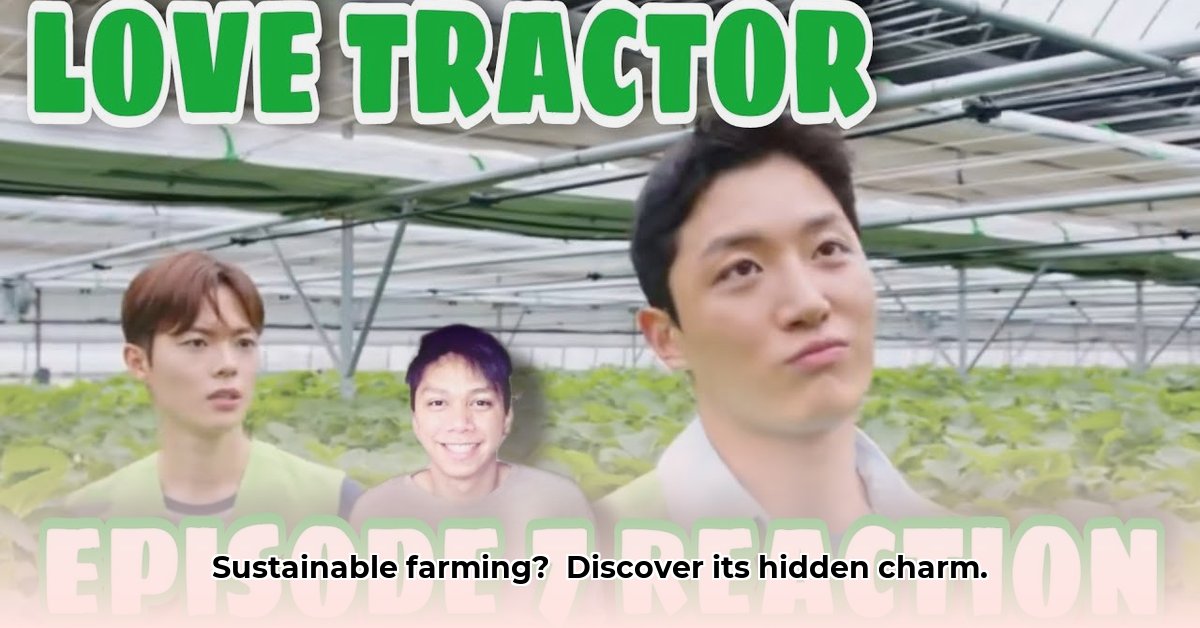
A Charming Look at Sustainable Farming – But Is It Realistic?
Love Tractor's seventh episode presented a heartwarming portrayal of rural life and sustainable farming, captivating viewers with its idyllic scenes and feel-good moments. The episode beautifully showcased the emotional rewards of working the land, offering a refreshing alternative to the often-gritty image of farming. However, this raises a crucial question: How accurately does the episode reflect the complexities of real-world sustainable agriculture? Does the show's romanticism provide a complete picture, or does it risk setting unrealistic expectations? For more on farm equipment, check out this helpful resource: farm equipment guide.
The episode's narrative focuses on a blossoming relationship between a city-dweller and a seasoned farmer, mirroring a significant trend: the growing partnership between urban areas and rural farming communities. This collaboration is vital for building stronger local food systems. Love Tractor effectively demonstrates how urban demand for sustainably-produced food boosts rural production, making sustainable farming practices relatable and even aspirational. But this partnership also raises further questions. What are the long-term implications of this urban-rural connection? Will the benefits remain mutual, or will one side ultimately gain more? These are critical points to consider as we evaluate the episode's impact.
While the emotional satisfaction of tending the land is prominently featured, the show noticeably omits the significant financial hurdles often faced in sustainable farming. Viewers see the hard work, sweat, and long hours, but the complexities of farm economics are largely absent. Discussions of slim profit margins, market fluctuations, regulatory complexities, and the impact of climate change are scarce. This omission, while understandable from a narrative perspective, is crucial to consider when assessing the episode's message. It highlights that the realities of sustainable agriculture are far more nuanced than the show’s charming narrative suggests.
Let's examine the episode's potential impact on various stakeholders:
| Stakeholder | Potential Short-Term Impacts | Potential Long-Term Impacts | Possible Concerns |
|---|---|---|---|
| Agricultural Agencies | Increased public interest in sustainable farming; potential recruitment of younger farmers. | Increased funding for sustainable agriculture programs; innovative educational initiatives. | Overly romanticized views might create unrealistic expectations. |
| Farmers | Enhanced consumer connections; potential for increased direct-to-consumer sales. | Greater farm resilience through diversification and strengthened community ties. | Increased workload from direct sales; potential market volatility reliance. |
| Food Businesses | Increased consumer demand for sustainably produced food. | Growth of sustainable food supply chains; more ethical and transparent sourcing practices. | Difficulty reflecting the higher costs of sustainable practices. |
| Film/TV Producers | Increased demand for authentic portrayals of sustainable farming. | Production of more comprehensive documentaries and educational shows; evolved storytelling approaches. | Balancing engaging storytelling with factual accuracy. |
Love Tractor episode 7, with its engaging storytelling, serves as a powerful conversation-starter, potentially inspiring viewers to consider sustainable food systems and careers in farming. However, it's vital to acknowledge the show's limitations. The idyllic portrayal, while entertaining, might present an overly optimistic view, potentially leading to disillusionment for those entering the field with unrealistic expectations. The episode's true value may lie in its ability to pique interest and encourage viewers to seek out further information and a balanced understanding of the complexities of sustainable agriculture. It pushes us to look beyond the romance and explore the demanding realities of modern farming. While the episode might plant the seed, further education and research are essential to cultivate a complete picture. Isn't it important to strive for more complete and realistic depictions of sustainable agriculture in popular media? This episode highlights the need for such portrayals.
How to Realistically Portray Sustainable Farming Challenges in TV Dramas
Key Takeaways:
- Love Tractor's charming portrayal simplifies the realities of sustainable farming.
- Accurate depictions require showcasing economic struggles, unpredictable weather, and labor shortages.
- Highlighting specific sustainable practices, like precision agriculture or agroforestry, is crucial.
- Television plays a significant role in shaping public perception of farming.
Love Tractor's Charming Simplifications
The episode presented a picturesque view of farm life, yet it failed to fully capture the grit of sustainable agriculture. How can dramas balance compelling storytelling with authentic portrayals of reality? The answer lies in attention to detail.
Beyond the Romance: The Real Challenges
Sustainable farming isn't always idyllic. It often involves constant battles against economic pressures, unpredictable weather, fluctuating commodity prices, intense competition, and labor shortages. Realistic portrayals must show the financial anxieties, sleepless nights, and constant need for adaptability.
Show, Don't Just Tell: Specific Sustainable Practices
Many shows mention environmental concerns but rarely delve into specific sustainable practices. Precision agriculture, reduced chemical use, and agroforestry are integral to modern sustainable farming and should be shown in action – showcasing the technology, planning, and their impact on the farm's success or failure.
The Power of Storytelling: Inspiring a New Generation
Television significantly influences public perception. While Love Tractor offers entertainment, it also has the power to inspire. By accurately depicting both the challenges and triumphs of sustainable farming, we can cultivate a more informed public and inspire the next generation of farmers and consumers. It's about showcasing the deep fulfillment of this work – the pride, connection to the land, and contribution to a healthier planet.
Balancing Act: Entertainment and Education
The challenge is finding a balance between compelling narratives and factual accuracy. We need emotionally resonant stories that also educate viewers about the realities of sustainable agriculture. It's a delicate balance—but a vital one.
Looking Ahead: More Authentic Portrayals
Future portrayals should involve collaboration with farmers, agricultural experts, and sustainability organizations. This ensures accuracy while preserving the narrative's charm, ultimately creating stories that both entertain and inform.